There's no fixed limit, but less is better — alcohol hits harder on reduced food intake, adds empty calories and can worsen nausea. Keep it occasional and never on an empty stomach.
Worth knowing
The evidence base is reassuring, but red-flag symptoms still need prompt attention. Know the warning signs.
When to check with your doctor
This is general information, not a prescription. Your dose, your other medicines and your medical history all change the picture — message your ZIVOLABS doctor before making any change to how you take your medication.
The side effects nobody warns you about (and the fixes)
-
Early nausea and a feeling of fullness after just a few bites are the medicine working — eat protein first so those bites count.
-
Constipation and a little bloating are common while the gut slows down; fluids, fibre and a daily walk sort out most cases within a week.
-
Some people notice taste changes, sulfur burps or mild headaches in the first weeks — these almost always settle on their own.
-
Hair shedding a few months in comes from rapid weight loss, not the drug, and reverses with enough protein, iron and B12.
-
Start low, go slow, and tell your doctor about anything severe — that single principle prevents the great majority of problems.
What the medication is doing inside your body
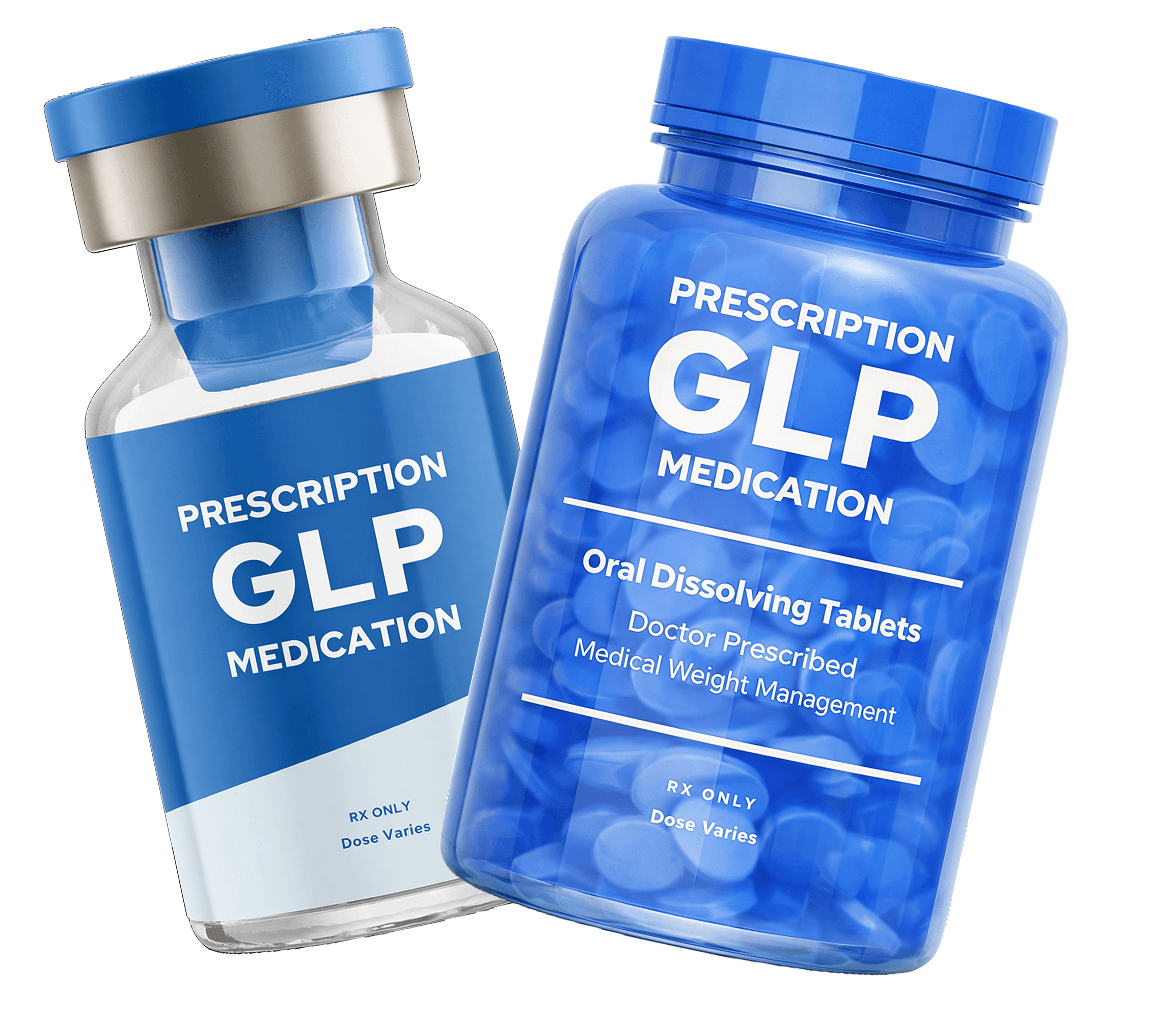
Three things happen at once on {b}. First, your stomach empties more slowly, so a small meal keeps you full for hours. Second, appetite signalling in the brain is dialled down, so you think about food less. Third, blood-sugar control improves because insulin is released more efficiently after meals. Together these put you in a gentle, sustainable calorie deficit — the reason people lose roughly 10–20% of their body weight over a year when the medicine is paired with enough protein and some strength training.
What to expect, week by week
-
Weeks 1–2: You start on the lowest dose. Appetite begins to dip; some people feel mild nausea or a headache as the body adapts. Weight barely moves yet — that's normal.
-
Weeks 3–4: Food noise drops noticeably. The first dose step-up usually happens around week 4, which can briefly bring side effects back before they settle.
-
Months 2–3: This is where steady weight loss shows up — often 0.5–1 kg a week. Trial data show about 5–7% of starting weight gone by 12 weeks.
-
Months 4–6: The trajectory is clear: roughly 10–12% loss on semaglutide and 14–16% on tirzepatide, alongside diet and activity.
-
Beyond 6 months: Loss continues more slowly toward a new set point, after which you shift to a maintenance dose to hold the result.
Eating to get the most out of it
The single most important thing on a GLP-1 is protein. With appetite reduced, it's easy to eat too little, and without enough protein you lose muscle along with fat. Aim for roughly 1.2–1.6 g of protein per kg of body weight a day — front-loaded at breakfast — using dal, paneer, curd, eggs, soya, fish or a whey shake. Roti, dal, paneer and rajma make hitting your protein target easy here; the watch-outs are rich, ghee-laden gravies and stuffed parathas — choose one roti and lean on the paneer and dal. Keep refined carbs and fried food modest (they also tend to trigger nausea on a slowed stomach), drink water through the day, and let your fuller-faster stomach guide your portions.
Pitfalls that slow people down
-
Treating the medicine as a magic bullet and ignoring food and movement — it works best as part of a plan.
-
Eating too little overall, which stalls energy and costs muscle; aim to eat better, not barely.
-
Comparing your results to someone else's — response varies hugely with genetics, dose and starting weight.
-
Panicking at a plateau instead of adjusting protein, training or dose with your doctor.
-
Buying from unverified sellers to save money and risking a counterfeit pen.
Frequently asked questions
Will I regain the weight if I stop?
Often, yes — appetite returns once the medicine clears, so a planned step-down to a maintenance dose plus the habits you've built is far better than stopping abruptly.
Do I need to follow a strict diet?
No strict diet, but protein matters: aim for 1.2–1.6 g per kg of body weight a day to protect muscle, and keep fried food and refined carbs modest to avoid nausea.
Is it safe to take long-term?
The evidence to date is reassuring across multi-year trials, including cardiovascular benefit. It's intended for long-term use under medical supervision.
Can I take it if I'm not diabetic?
Yes — GLP-1 medicines are approved for weight management in people without diabetes who meet the BMI criteria, and are used that way safely worldwide.
How ZIVOLABS supports you through it
ZIVOLABS is built as a doctor-supervised GLP-1 program for India, not just a pharmacy. You start with a proper medical assessment online; a verified doctor reviews your history, confirms whether treatment is appropriate, and writes a genuine prescription if so. Your medication is dispensed by a CDSCO-licensed pharmacy and delivered cold-chain to your door, and you can message your care team whenever side effects or questions come up. Dose changes, plateaus and the eventual step-down to maintenance are all guided — because the medicine works best with a plan and a clinician around it.
Key takeaways
-
A GLP-1 medicine reduces appetite and slows digestion, so you eat less without constant hunger.
-
Protein (1.2–1.6 g/kg/day) plus two to three strength sessions a week protect muscle while you lose fat.
-
Side effects are mostly early and manageable; start low, go slow, and report anything severe.
-
Buy only genuine, doctor-prescribed medication from a licensed pharmacy — counterfeits are a real risk in India.
-
It works best as a supervised plan, with a maintenance dose to hold the result rather than stopping abruptly.
Talk to a doctor before you start
Everyone's history is different. A ZIVOLABS doctor reviews your medical history, current medicines and goals before prescribing — and stays with you through every dose change. Take the 2-minute eligibility check to see if a GLP-1 plan is right for you.